
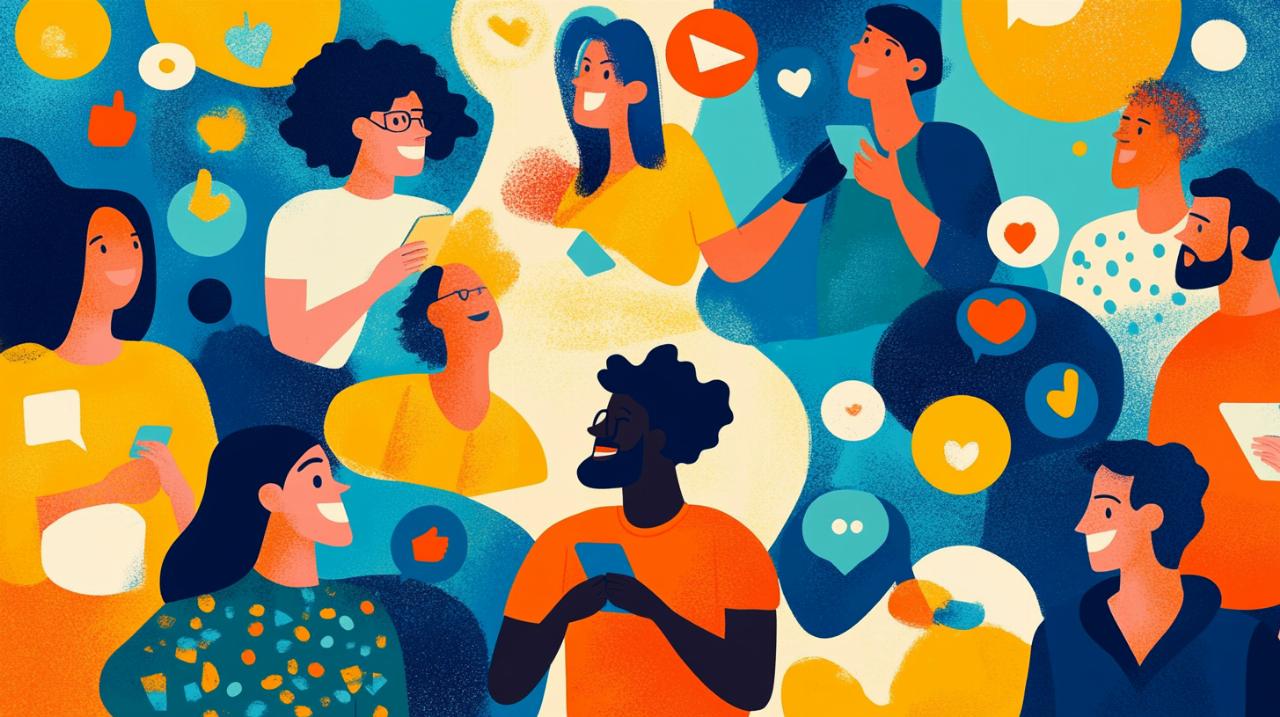
In an age where digital platforms dominate our daily interactions, the relationship between online presence and real-world appeal has never been more intriguing. The way we present ourselves, the content we consume, and the trends we follow all contribute to shaping how others perceive us. As billions of users worldwide navigate the ever-evolving landscape of Facebook, Instagram, Twitter, and beyond, questions arise about whether the charisma we project through screens translates into genuine magnetism when we step away from our devices. Understanding this dynamic is essential for anyone seeking to cultivate authentic connections in both virtual and physical spaces.
The digital mirror: how online trends shape authentic appeal
The phenomenon of social media trends and influences has become a powerful force in defining contemporary notions of attractiveness and likability. When a particular style, behaviour, or aesthetic goes viral, it often creates a ripple effect that extends far beyond the digital realm. Individuals who engage with these trends may find themselves adopting new mannerisms, fashion choices, or even communication styles that align with what is currently popular. This digital mirror reflects not only what is trending but also shapes how people perceive themselves and others. The survey conducted among Thai social media users revealed that increased time spent on platforms such as Facebook and Instagram correlates with certain behavioural patterns, including materialism and a propensity for impulsive purchasing. Such findings suggest that the content we engage with online does not merely entertain us but actively influences our values and actions in everyday life.
Viral Movements and Their Influence on Real-World Charisma
Viral movements possess an undeniable capacity to alter the way individuals express themselves and interact with others. When a challenge, meme, or lifestyle trend gains traction, it can inspire millions to participate, thereby creating a shared cultural experience. This collective engagement fosters a sense of belonging and can enhance one's perceived charisma, as being part of a viral moment often signals social awareness and relevance. However, the impact of these movements extends beyond mere participation. The study examining negative shopping habits highlighted how materialism, fuelled by exposure to curated content and advertising, leads to behaviours such as compulsive buying and conspicuous consumption. In Thailand, where social media usage surged from 18 to 32 hours per week between 2015 and 2018, and online spending doubled, the influence of digital trends on consumer behaviour became strikingly evident. With 70 per cent of social media users indicating a likelihood to click on advertisements appearing in their news feeds, and platforms like Facebook and Instagram boasting ad click rates of 38 per cent and 37 per cent respectively, it is clear that viral content and targeted marketing shape not only purchasing decisions but also the values individuals project. When someone is seen embracing the latest trend or acquiring sought-after products, their real-world charisma may be amplified, as they are perceived as being in tune with contemporary culture. Yet this raises important questions about authenticity and whether such magnetism is sustainable or merely a reflection of fleeting digital fads.
Translating digital popularity into genuine connection
Whilst achieving popularity online can bolster one's confidence and expand social networks, translating this digital acclaim into meaningful, face-to-face connections requires more than just a high follower count or viral content. Platforms like Facebook, Instagram, and Twitter offer individuals the opportunity to express themselves and build a personal brand, which can enhance self-assurance and provide a sense of purpose. For many, social media serves as a source of inspiration and motivation, offering learning opportunities through groups, communities, webinars, and podcasts. However, the research also underscores the darker side of this digital engagement. The prevalence of anxiety, depression, and isolation linked to social media use, along with phenomena such as FOMO (fear of missing out), social comparison, and cyberbullying, can undermine genuine connection. In Thailand, where 78 per cent of the population are active on social media, ranking the nation fourth globally for engagement, the pressure to maintain an appealing online persona can be immense. When individuals focus excessively on curating their digital image, they risk prioritising superficial metrics over authentic relationships. The challenge lies in leveraging the positive aspects of social media, such as staying connected with friends and family who reside far away, whilst avoiding the pitfalls of comparison and self-doubt. True magnetism in the real world stems from sincerity, empathy, and the ability to engage meaningfully with others, qualities that cannot be fully conveyed through a screen.
Cultivating true charm beyond the algorithm

Developing a lasting appeal that transcends the ephemeral nature of social media trends requires a deliberate focus on authenticity and self-awareness. Whilst algorithms dictate much of what we see and how we interact online, the essence of personal magnetism lies in qualities that algorithms cannot replicate. Genuine charm is rooted in emotional intelligence, the ability to listen, and the willingness to be vulnerable. The study highlighted that positive attitudes towards social media content do not significantly predict negative shopping behaviour, suggesting that individuals possess agency in how they respond to digital stimuli. This insight is crucial for anyone seeking to cultivate real charm, as it underscores the importance of intentionality in how we consume and engage with content. Rather than passively absorbing trends, individuals can actively choose to focus on material that aligns with their values and fosters personal growth. By limiting usage and consuming positive content, one can mitigate the risks of anxiety, depression, and the erosion of self-esteem that often accompany excessive social media engagement.
Balancing trending behaviours with personal authenticity
Navigating the tension between staying current with social media trends and maintaining one's unique identity is a delicate endeavour. Trends can offer a sense of community and relevance, yet an overreliance on them may lead to a loss of individuality. The demographic analysis from the Thailand survey, which included participants aged 18 to 34 years (58 per cent), 35 to 54 years (28 per cent), and over 55 years (14 per cent), with a near-equal gender split of 49.3 per cent males and 50.8 per cent females, illustrates the widespread nature of social media's influence across age groups and genders. This broad engagement suggests that the challenge of balancing trending behaviours with authenticity is universal. To cultivate true charm, individuals must discern which trends resonate with their core values and which are merely noise. This requires self-reflection and a willingness to resist the pressure to conform. For instance, whilst conspicuous consumption and impulsive purchasing may be glamorised online, recognising the materialistic underpinnings of such behaviours can empower individuals to make more mindful choices. By doing so, they project an image of confidence and self-assurance that is far more magnetic than any curated online persona.
Building Lasting Magnetism in an Ever-Changing Digital Landscape
As the digital landscape continues to evolve, so too must our strategies for cultivating personal magnetism. The rapid growth of social media, with over 4 billion users worldwide and an increase of 2.3 million users in Thailand alone between April 2020 and January 2021, demonstrates that online platforms are here to stay. However, the key to building lasting appeal lies not in chasing every trend but in developing a robust sense of self that can weather the shifting tides of digital culture. Healthy social media habits are essential, including setting boundaries around usage and curating one's feed to prioritise content that is uplifting and informative. Engaging with communities and learning opportunities, such as webinars and podcasts, can enhance personal branding whilst fostering genuine skills and knowledge. Moreover, the ability to remain connected with loved ones, regardless of geographical distance, is one of the most valuable aspects of social media. By leveraging these positive elements and remaining vigilant against the negative impacts of instant gratification, procrastination, and social comparison, individuals can build a form of magnetism that is both authentic and enduring. True charm is not a product of algorithms but a reflection of character, kindness, and the ability to connect with others on a human level. In an ever-changing digital world, these timeless qualities remain the foundation of genuine appeal.