
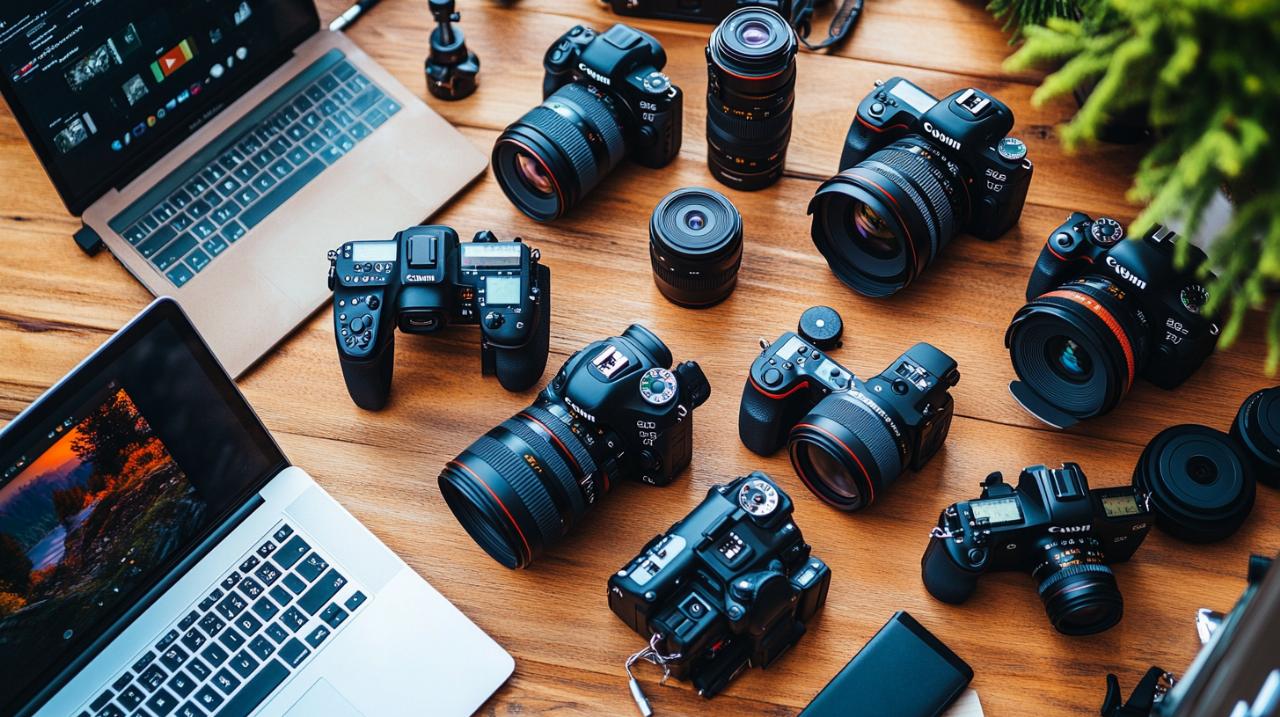
In the world of digital storytelling, where capturing moments and sharing experiences has become second nature, vloggers and content creators need reliable tools that match their creative vision. The right camera can transform amateur footage into professional-quality content, opening doors to wider audiences and greater engagement. Whether you're documenting daily adventures, producing tutorial videos, or crafting cinematic narratives, selecting the appropriate digital camera requires careful consideration of features that enhance both shooting efficiency and final output quality. For those looking to elevate their content creation game, exploring resources like https://www.agfaphoto-gtc.com/en/ can provide valuable insights into cutting-edge imaging technology and equipment options tailored to modern demands.
Essential features every vlogging camera should have
When selecting a camera for vlogging and content creation, certain features stand out as non-negotiable for anyone serious about producing high-quality material. The modern vlogger faces unique challenges that differ significantly from traditional photography, requiring equipment that adapts to fast-paced, often unpredictable shooting environments. Understanding which specifications truly matter helps creators invest wisely in gear that will serve them well across various projects and settings.
Flip Screens and Audio Quality for Solo Content Creation
For individuals working without a dedicated crew, the ability to monitor framing and composition becomes essential. Flip screens, particularly those that can rotate to face the person filming, eliminate guesswork and allow for real-time adjustments to positioning and lighting. This self-monitoring capability proves invaluable when shooting pieces to camera or capturing spontaneous moments without an assistant to provide feedback. The screen should offer clear visibility even in bright outdoor conditions, ensuring creators can maintain consistent framing throughout their recordings.
Equally important is the camera's audio capture system. While many creators eventually invest in external microphones, the built-in audio hardware should still deliver clear sound without excessive background noise or distortion. Quality onboard audio serves as a reliable backup and proves useful during impromptu recording sessions where carrying additional equipment isn't practical. Cameras equipped with microphone input jacks and headphone monitoring ports offer flexibility for those ready to upgrade their sound capture, whilst maintaining usability for beginners who rely on internal systems. The combination of visual monitoring through flip screens and robust audio options creates a foundation for solo creators to produce polished content independently.
Autofocus performance and low-light capabilities
Nothing disrupts viewer engagement quite like footage drifting in and out of focus. Modern vlogging demands continuous autofocus systems that can track subjects smoothly, even when movement occurs within the frame. Advanced phase-detection or hybrid autofocus technologies have become standard expectations, allowing cameras to maintain sharp focus on speakers as they gesture or move slightly during recording. The speed and accuracy of autofocus directly impact whether creators can trust their equipment to capture crucial moments without constant manual adjustment.
Low-light performance separates competent cameras from exceptional ones in the vlogging space. Content creators often find themselves filming in varied lighting conditions, from dimly lit interiors to evening outdoor settings. Cameras with larger sensors and capable image processors handle these challenging situations by reducing digital noise and preserving detail across shadows and highlights. The ability to shoot at higher ISO settings without significant quality degradation expands creative possibilities, enabling atmospheric evening content or intimate indoor scenes without requiring elaborate lighting setups. These technical capabilities empower creators to maintain consistent quality regardless of environmental constraints.
Best Camera Models for Different Types of Content Creators
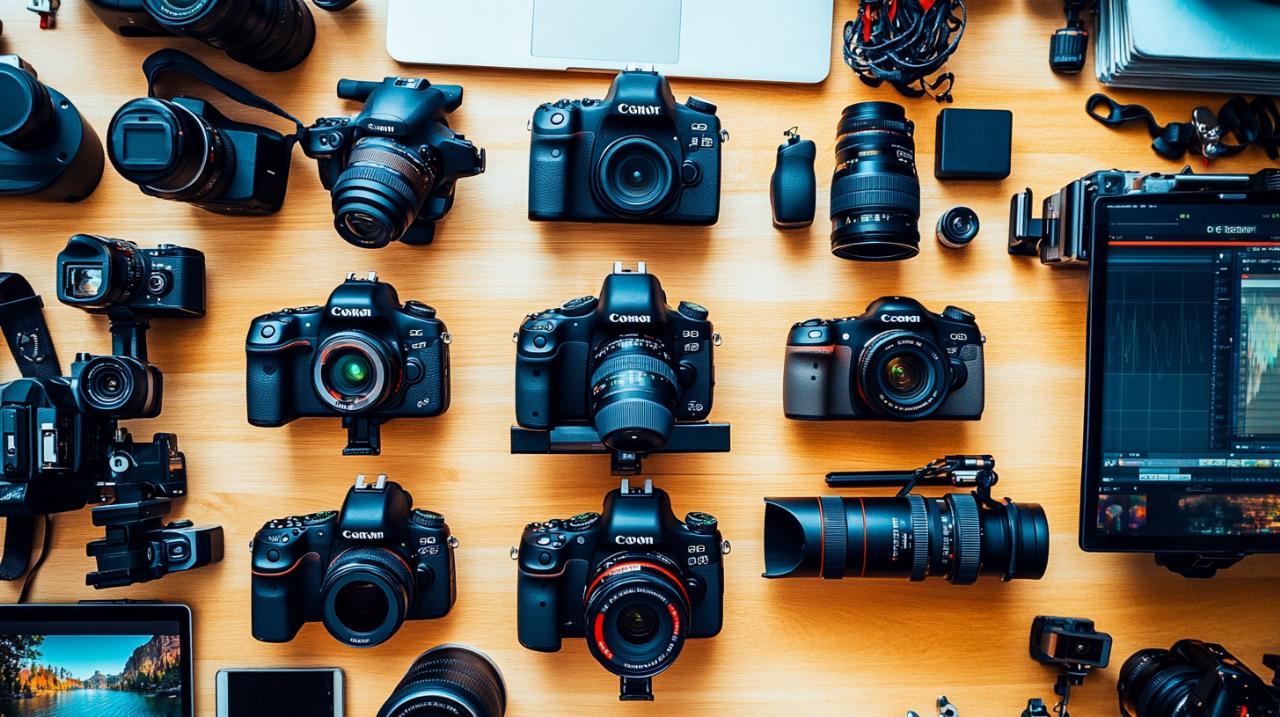
The digital camera market offers diverse options tailored to specific content creation styles and workflow preferences. Understanding how different models align with particular types of vlogging helps creators select equipment that complements rather than complicates their production process. From lightweight options designed for mobility to robust systems built for controlled studio environments, the ideal camera depends largely on the creator's niche and shooting circumstances.
Compact cameras perfect for travel vloggers
Travel vloggers prioritise portability without sacrificing image quality, as their equipment must withstand frequent movement and varied environments. Compact cameras with advanced stabilisation systems prove essential for creators constantly on the move, smoothing out the unavoidable shakes and bumps that come with handheld shooting during walks or transportation. These smaller devices fit easily into day bags and jacket pockets, making them accessible for spontaneous filming opportunities that larger systems would miss.
Beyond size considerations, travel-oriented cameras should offer extended battery life or efficient power management, as access to charging facilities may be limited during long days of exploration. Weather-sealing features add valuable protection against the elements, ensuring equipment remains functional whether filming in coastal spray, light rain, or dusty conditions. Many compact models now incorporate features previously exclusive to larger systems, including advanced autofocus, impressive dynamic range, and the ability to record in professional formats. This convergence of capability and convenience makes compact cameras ideal companions for vloggers who document adventures whilst maintaining production values that keep audiences engaged.
Professional-grade options for studio content production
For creators focusing on studio-based content such as detailed reviews, educational material, or scripted productions, professional-grade cameras offer expanded control and superior image quality that justifies their increased investment. These systems typically feature larger sensors that deliver exceptional colour reproduction and depth of field control, allowing creators to achieve that coveted cinematic look characterised by beautifully blurred backgrounds and crisp subject focus. The ability to interchange lenses provides creative flexibility, enabling different visual styles from wide establishing shots to intimate close-ups within a single production.
Studio environments allow creators to maximise these advanced features without the constraints of portability. Professional cameras often include comprehensive manual controls, customisable settings, and robust codec options that facilitate colour grading during post-production. The resulting footage possesses greater latitude for adjustment, ensuring consistency across a channel's content library even as lighting conditions or set designs evolve. Whilst these systems require more setup time and technical knowledge, dedicated content creators who maintain regular production schedules benefit from the elevated quality and creative possibilities that professional-grade equipment delivers. The investment in such tools reflects a commitment to craft that resonates with discerning audiences who appreciate production polish.