
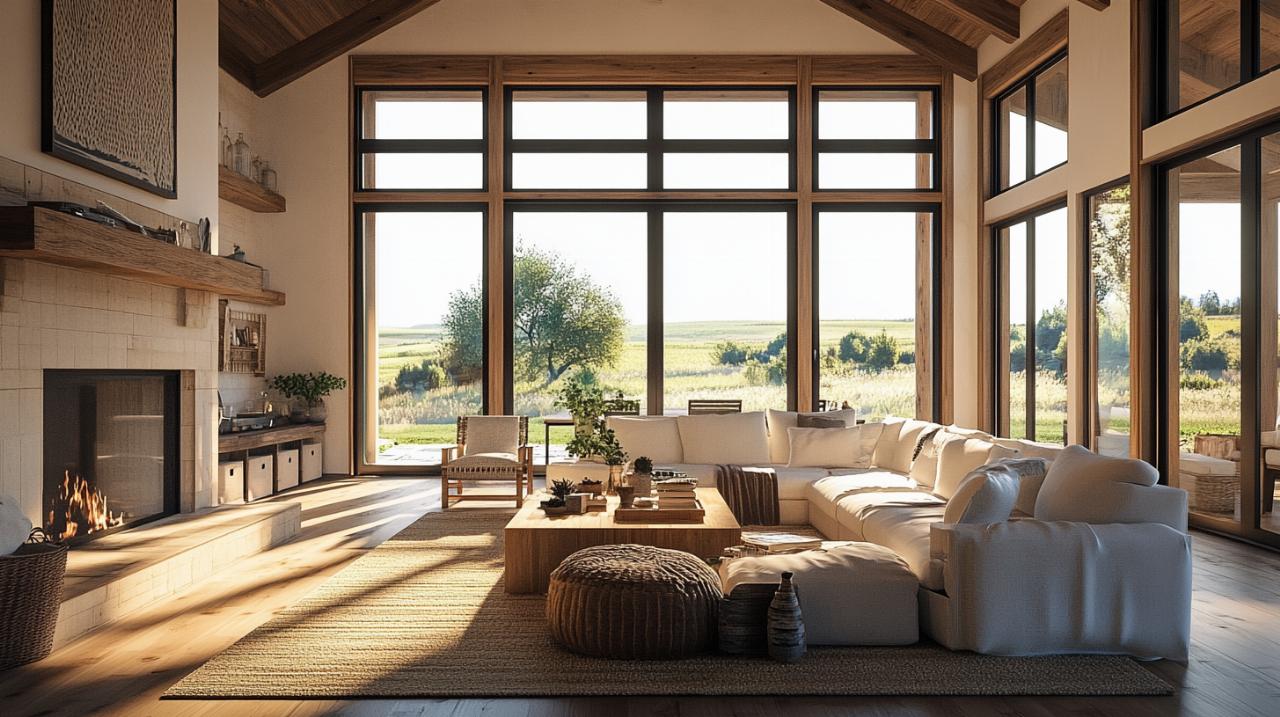
Transforming your home into a sanctuary that captures the essence of countryside living requires a careful blend of authenticity, sophistication, and comfort. Whether you are preparing your property for guests or simply reimagining your personal space, the journey from ordinary dwelling to refined rural haven involves thoughtful choices in design, materials, and atmosphere. This transformation is not merely about aesthetic appeal; it is about creating an environment that encourages relaxation, reconnection with nature, and an escape from the demands of modern life. By embracing timeless principles of interior and exterior design, you can craft a retreat that feels both luxurious and rooted in its surroundings.
Embracing natural materials and neutral palettes
One of the most effective ways to evoke the serenity of rural living is through the deliberate use of natural materials. Wood, stone, brick, wicker, and rattan bring warmth and texture to interiors, establishing an immediate connection to the landscape beyond your windows. These materials are not only visually appealing but also carry a sense of authenticity and durability that synthetic alternatives cannot replicate. When selecting finishes for floors, walls, and furniture, prioritise those that celebrate the inherent beauty of the natural world. Exposed beams, reclaimed timber, and locally sourced stone can anchor a room in its geographical context, providing a foundation upon which the rest of your design can build.
Selecting organic textures for timeless elegance
The tactile quality of natural materials adds depth and interest to a space without overwhelming it. Rough-hewn stone walls, smooth wooden countertops, and woven rattan furnishings each contribute a distinct character that enhances the overall sense of place. Consider incorporating elements such as clay tiles, linen textiles, and jute rugs to introduce layers of texture that invite touch and exploration. These choices work harmoniously together, creating a cohesive aesthetic that feels both grounded and refined. When renovating or refurbishing, look for opportunities to preserve original architectural features, as these details often hold the key to a property's unique charm and can be celebrated rather than concealed.
Curating a Calming Colour Scheme for Tranquil Living
Colour plays a crucial role in establishing the mood of your retreat. Light, neutral tones such as whites, soft pastels, and earth tones create an airy, open atmosphere that mirrors the expansive skies and gentle hues of the countryside. These shades allow natural light to bounce through rooms, making even smaller spaces feel more generous and inviting. Accents inspired by the surrounding landscape, such as muted greens, warm terracottas, and gentle greys, can be introduced through soft furnishings, artwork, and decorative objects. By drawing on the colours found in nature, you create a seamless transition between indoors and outdoors, reinforcing the sense of a luxury rural retreat in spain or any other bucolic setting. This approach not only calms the senses but also ensures that your interior remains timeless, avoiding trends that may quickly feel dated.
Incorporating rustic character into your interior
Rustic charm is not about creating a museum piece but rather about honouring the history and architectural integrity of your home while ensuring it meets contemporary standards of comfort. This balance is particularly important in properties with heritage value, such as listed buildings or those located in conservation areas, where regulations may restrict certain alterations. Even in less regulated contexts, thoughtful preservation of character can significantly enhance both the aesthetic appeal and the market value of your property. The key is to integrate rustic elements in a way that feels deliberate and sophisticated, avoiding the trap of cliché or kitsch.
Showcasing exposed beams and architectural features
Exposed beams, original stonework, and period windows are features that should be celebrated rather than hidden. If your property boasts such elements, consider making them focal points of your design. Stripping back layers of paint or plaster to reveal the bones of the building can be a revelatory process, uncovering textures and materials that tell the story of the structure. In some cases, reusing and adapting existing materials not only respects the past but also aligns with sustainable building practices, reducing waste and preserving embodied energy. When planning renovations, explore all options before committing to rebuilds, and consider the potential for material reuse, which can add both character and environmental credentials to your project.
Installing a Statement Fireplace for Cosy Gatherings
Few features evoke the warmth and conviviality of rural living quite like a fireplace. Whether it is a traditional inglenook, a sleek wood-burning stove, or a contemporary gas insert, a well-chosen fireplace becomes the heart of a room, drawing people together and creating a focal point for social interaction. In colder months, the flickering flames provide both physical warmth and a psychological sense of comfort, making your retreat feel like a true sanctuary. When selecting a fireplace, consider the scale of the room, the architectural style of your home, and the practical requirements such as flue placement and compliance with building regulations. Attention to these details ensures that your fireplace is not only beautiful but also functional and safe.
Elevating spaces with luxurious finishing touches
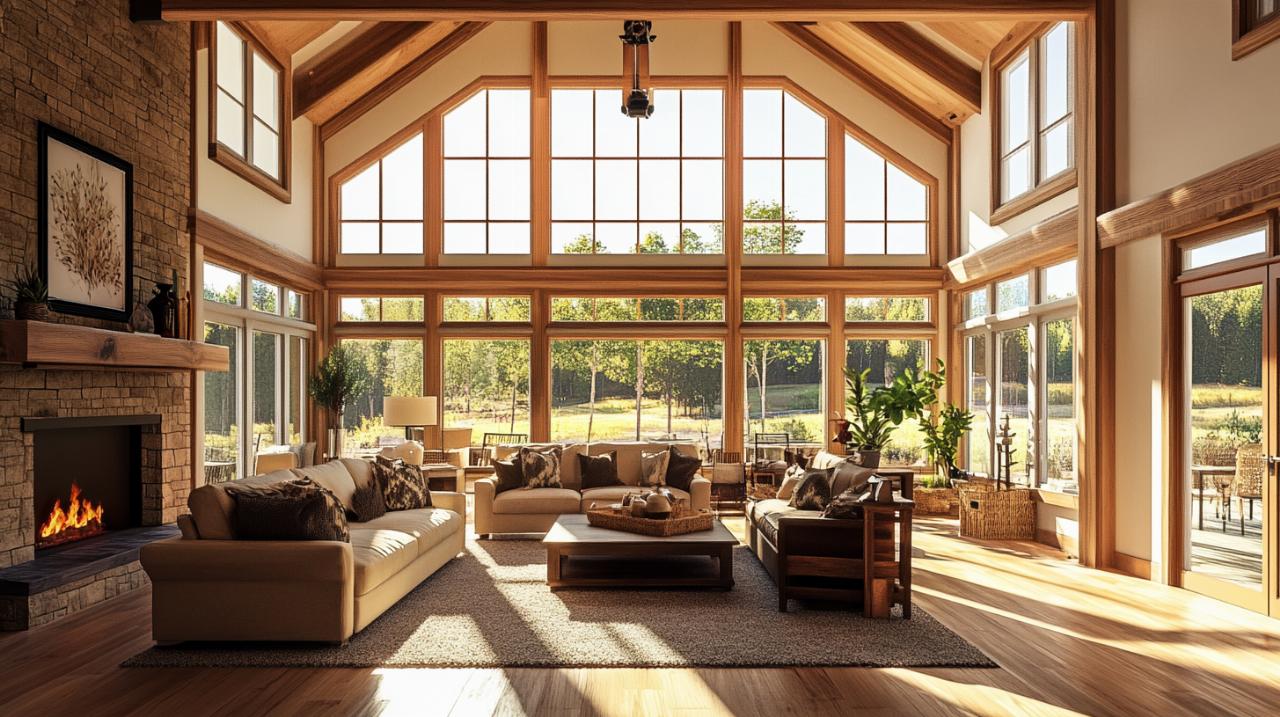
Once the foundational elements of your design are in place, it is time to layer in the details that transform a well-appointed space into a truly luxurious one. These finishing touches are where personality and comfort converge, allowing you to express your individual style while ensuring that every element serves a purpose. From textiles to lighting, each choice contributes to the overall ambience and should be made with care and intention.
Choosing sumptuous fabrics and plush textiles
High-quality fabrics elevate the tactile experience of a room, inviting guests to linger and relax. Invest in plush throws, linen bedding, velvet cushions, and wool rugs that feel as good as they look. These textiles not only add visual interest through their varied textures but also contribute to the acoustic comfort of a space, softening hard surfaces and reducing echo. When selecting fabrics, consider durability and ease of maintenance, particularly if your retreat will serve as a holiday let. Ensure that soft furnishings comply with relevant fire safety regulations, especially in properties used for commercial purposes. By prioritising guest comfort and investing in pieces that will stand the test of time, you create an environment that feels indulgent and welcoming.
Selecting statement lighting to create ambience
Lighting is one of the most powerful tools at your disposal when crafting atmosphere. A well-considered lighting scheme can highlight architectural features, create zones within open-plan spaces, and set the mood for different times of day. Combine ambient, task, and accent lighting to achieve flexibility and depth. Statement pieces such as wrought-iron chandeliers, ceramic pendant lights, or sculptural floor lamps can serve as artworks in their own right, while dimmer switches allow you to adjust brightness to suit the occasion. In holiday lets, emergency lighting may be a requirement, so ensure that all installations meet current building regulations. Natural light should also be maximised wherever possible, through the strategic placement of mirrors, the use of lighter paint colours, and the installation of larger windows or skylights where appropriate.
Extending the Retreat Experience to Your Garden
A luxury rural retreat is not confined to the interior walls of your home. The outdoor spaces are equally important, offering opportunities for relaxation, entertainment, and connection with nature. Thoughtful landscaping and the creation of comfortable, stylish outdoor areas extend the living space and enhance the overall experience for you and your guests.
Designing thoughtful landscaping for rural charm
The garden should complement the character of your home and the surrounding landscape. Consider native planting schemes that require less maintenance and support local wildlife, creating a sustainable and ecologically responsible environment. Garden paths crafted from natural stone or gravel guide visitors through the space, while borders filled with flowering perennials and aromatic herbs engage the senses. If your property features traditional elements such as thatched roofs or stone walls, ensure these are well maintained through regular inspections and timely repairs. Thatched roofs, for example, offer excellent insulation and weather resistance but require professional attention every few years to remain in optimal condition. Stone walls, prized for their durability and timeless beauty, can be enhanced with climbing plants or complementary landscaping that softens their appearance.
Furnishing outdoor spaces for stylish relaxation
Outdoor furniture should be chosen with the same care as indoor pieces, balancing aesthetic appeal with practicality. Durable materials such as teak, powder-coated metal, and all-weather wicker withstand the elements while maintaining their good looks. Create distinct zones for dining, lounging, and socialising, using pergolas, awnings, or umbrellas to provide shade and shelter. Comfortable seating, plush outdoor cushions, and ambient lighting transform a simple patio into an inviting extension of your home. For those managing holiday lets, consider offering amenities such as outdoor fire pits, barbecue facilities, and even firewood to enhance the guest experience. These thoughtful touches, combined with clear communication about local attractions and activities, ensure that visitors feel welcomed and well cared for from the moment they arrive.