
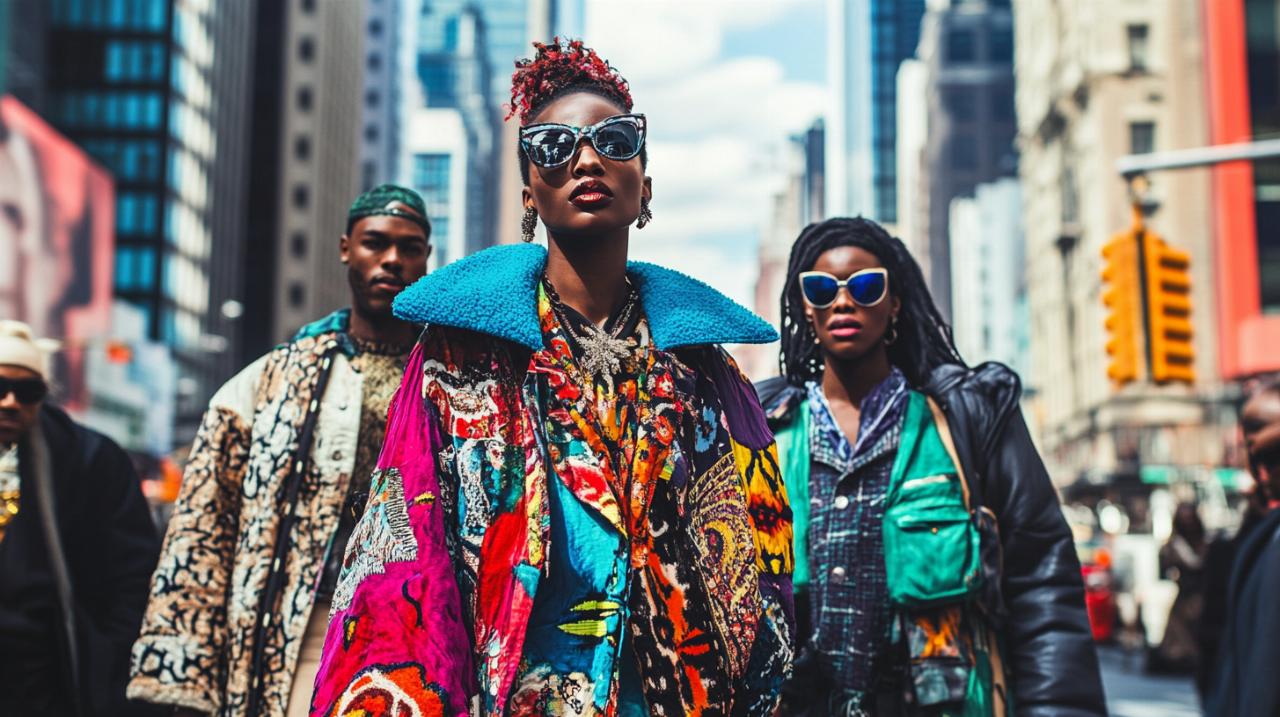
Fashion has always been a mirror reflecting the world around us, capturing not just what we wear but who we are and where we're heading. As the seasons shift and society evolves, the garments we choose become powerful statements about our values, our communities, and our aspirations. Today, keeping pace with the ever-changing landscape of style means understanding that every hemline, colour palette, and textile choice tells a story far deeper than surface aesthetics. From the bustling streets of London to the digital runways accessible worldwide, fashion is an intricate dance between creativity, commerce, and the cultural currents shaping our collective identity.
Understanding contemporary fashion movements and their origins
The contemporary fashion scene is a vibrant tapestry woven from countless threads of influence, each strand contributing to the dynamic patterns we observe on runways and pavements alike. To truly appreciate where style is headed, one must look back at the forces propelling it forward. Modern fashion is no longer dictated solely by elite designers sequestered in ateliers; instead, it emerges from a rich interplay of art, music, technology, and grassroots movements that challenge traditional hierarchies. This democratisation has transformed the industry into a global conversation, where ideas cross borders at lightning speed and local expressions gain international resonance. The result is a fashion ecosystem that is both exhilarating and complex, demanding keen observation and adaptability from anyone wishing to stay relevant.
The Rise of Sustainable and Ethical Fashion Choices
One of the most significant shifts in recent years has been the surge towards sustainability and ethical practices within the fashion industry. Consumers are increasingly aware of the environmental and social impact of their purchases, prompting brands to reconsider their entire supply chains. The demand for eco-friendly clothing has moved from niche boutiques to mainstream retailers, with circular fashion principles gaining traction. This approach emphasises reuse, recycling, and responsible production, challenging the throwaway culture that once dominated. UK craftsmanship, particularly celebrated in centres like London, exemplifies this movement by prioritising quality over quantity, ensuring garments are made to last rather than to be discarded after a single season. The focus on shorter supply chains and stronger labour standards distinguishes British manufacturing from other global hubs, where mass production often takes precedence. Ethical brands now openly share their sourcing and manufacturing processes, building authenticity and trust with customers who value transparency. This cultural shift is not merely a trend but a fundamental rethinking of how fashion intersects with responsibility, urging both designers and consumers to consider the broader consequences of their choices.
Street style influences on high fashion runways
Street style has emerged as a formidable force, reshaping the corridors of high fashion and blurring the lines between what is considered avant-garde and what is everyday wear. Originating from urban landscapes where individuality and self-expression reign supreme, street style captures the raw creativity of those who dress not for approval but for personal statement. London, with its eclectic mix of subcultures and historical rebellions, remains a pivotal hub for this aesthetic revolution. Publications such as PAUSE Magazine have been instrumental since their inception in 2011, spotlighting emerging designers and celebrating the power of fashion as a means of self-expression. The influence of street style on high fashion runways is undeniable, as designers increasingly draw inspiration from the pavements, incorporating elements like oversized silhouettes, bold graphics, and unexpected fabric combinations. This cross-pollination has democratised fashion, proving that innovation can stem from any corner of the globe and any level of the industry. The fusion of streetwear with luxury has given rise to collaborations that were once unthinkable, where trainer brands partner with couture houses and denim becomes a canvas for artistic expression. Such developments underscore the fluidity of contemporary fashion, where rigid categories dissolve and creativity knows no bounds.
How cultural shifts shape what we wear today
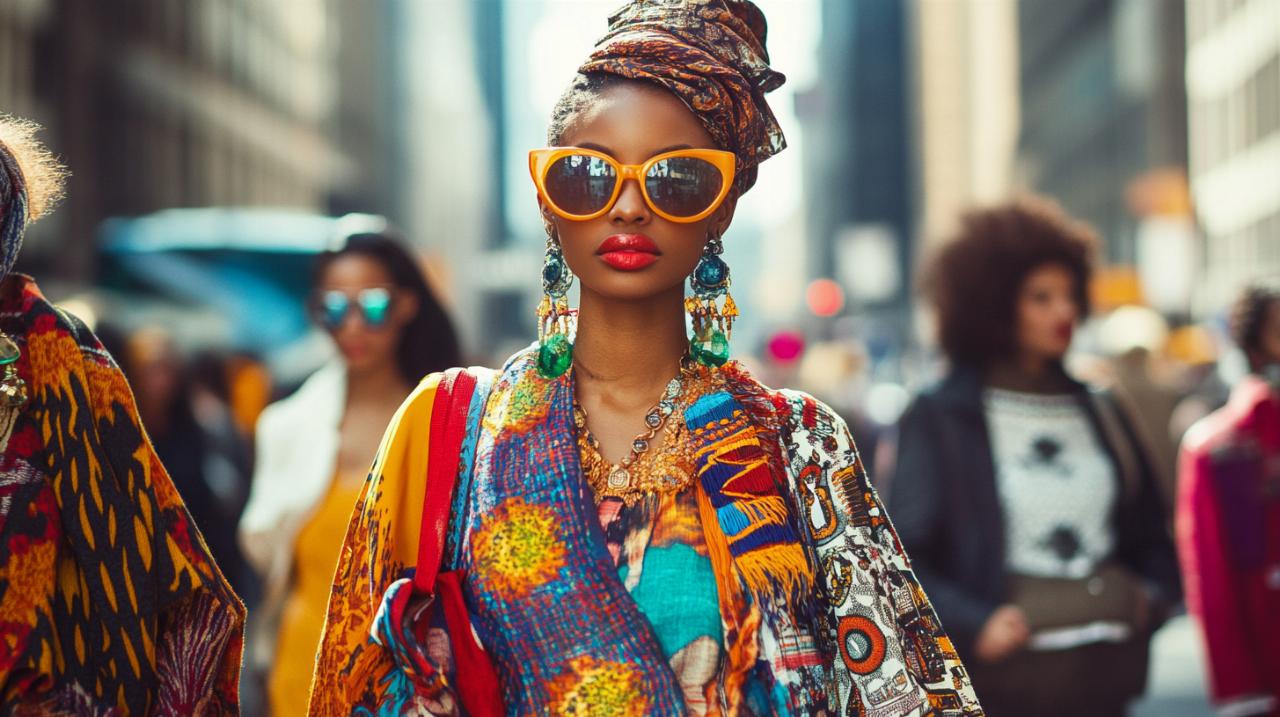
Fashion is inextricably linked to the cultural tides that shape society, acting as both a reflection of and a catalyst for change. The garments we choose to wear are not isolated decisions but are deeply embedded in the social, political, and technological contexts of our times. As identity politics gain prominence and global connectivity intensifies, the relationship between culture and clothing becomes ever more intricate. Designers now draw upon a vast reservoir of cultural symbols, textiles, colours, and patterns, blending traditions from disparate corners of the world to create innovative and resonant designs. This cultural diversity offers a wealth of opportunities for market innovation, allowing brands to craft unique products that speak to specific communities whilst appealing to a broader audience. The challenge lies in balancing global appeal with cultural authenticity, ensuring that inspiration does not devolve into appropriation. Regional tastes also play a crucial role, with trends such as modest fashion gaining traction in the Middle East and influencing global runways. The fusion of cultures within fashion is not a new phenomenon, but the speed and scale at which it occurs today are unprecedented, driven by digital media and the interconnectedness of our world.
Social media's role in democratising fashion trends
Digital platforms have revolutionised the way fashion trends are born, disseminated, and consumed, placing unprecedented power in the hands of individuals rather than institutions. Social media has become the primary stage where style is showcased, critiqued, and celebrated, enabling anyone with a smartphone to influence what is deemed fashionable. Influencers, once a fringe phenomenon, now command audiences that rival traditional fashion magazines, shaping consumer behaviour and driving sales through carefully curated posts and collaborations. This shift has compelled brands to rethink their marketing strategies, investing heavily in partnerships with digital creators who can authentically connect with target demographics. The immediacy of social media also means that trends can emerge and fade within weeks, demanding agility and responsiveness from fashion businesses. Virtual try-ons and AI technology further enhance the customer experience, allowing shoppers to experiment with styles from the comfort of their homes. For those seeking isodirect for the latest fashion trends, these digital tools provide a direct line to what is happening in real time, bypassing the delays inherent in traditional fashion cycles. The democratisation of fashion through social media has also amplified voices from marginalised communities, giving rise to gender-neutral styles and diverse representations that challenge long-standing norms. This cultural shift has made fashion more inclusive, reflecting a broader societal push towards equality and recognition of varied identities.
The Intersection of Identity Politics and Personal Style
Fashion has always been a vehicle for personal expression, but in recent years it has become an increasingly potent means of articulating political and social identities. The intersection of identity politics and personal style is particularly evident in the rise of gender-neutral fashion, which rejects traditional binaries and embraces fluidity. This movement is not merely about aesthetics but speaks to deeper conversations about autonomy, representation, and the right to self-definition. Designers and brands that engage thoughtfully with these issues often find themselves at the forefront of cultural relevance, their collections resonating with consumers who see fashion as an extension of their beliefs. The embrace of cultural fusion in fashion also reflects a desire to celebrate heritage and diversity in an increasingly globalised world. Elements drawn from various traditions are woven together, creating garments that tell multifaceted stories and honour the richness of different cultures. However, this practice requires sensitivity and respect, as the line between appreciation and appropriation is fraught with ethical considerations. Consumers today are more informed and vocal, holding brands accountable for their choices and demanding authenticity in how cultural narratives are represented. This heightened awareness has led to a more conscientious approach to design, where the origins and meanings of motifs and techniques are acknowledged and celebrated. Personal style, then, becomes a form of activism, a way to signal values and align oneself with movements that matter. Fashion trends are no longer just about looking good but about standing for something, making the act of dressing each day a deliberate and meaningful choice.
The ongoing dialogue between fashion and culture is a testament to the industry's ability to adapt and evolve, reflecting the complexities of the world we inhabit. Whether through the lens of sustainability, the influence of street style, the power of social media, or the articulation of identity, fashion remains a dynamic and essential part of our collective experience. Staying ahead of trends requires not just an eye for aesthetics but an understanding of the broader cultural forces at play, recognising that what we wear is always more than just fabric and thread.