
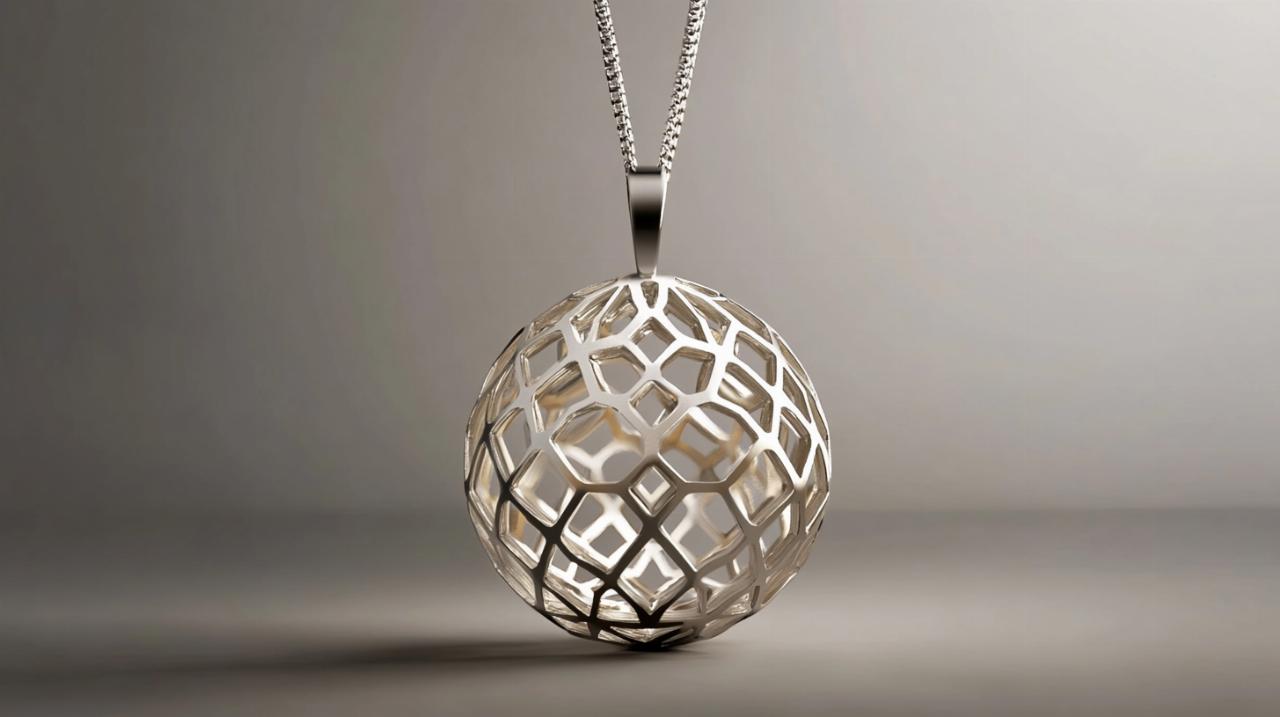
The realm of contemporary jewellery has witnessed a captivating resurgence of pieces that blend mathematical precision with artistic flair, particularly those featuring elements designed to shift and shimmer with the wearer's every movement. These enchanting adornments marry the elegance of geometric forms with the dynamic allure of kinetic design, creating accessories that are as mesmerising to observe as they are delightful to wear. From the boldness of angular shapes to the subtlety of interlocking patterns, such pendants offer a unique way to express individuality while celebrating craftsmanship that spans decades of innovation.
The enchanting appeal of kinetic geometric jewellery
There exists an undeniable magic in jewellery that moves, catching light from unexpected angles and transforming with each gesture. Kinetic geometric pieces achieve this effect through careful engineering and artistic vision, combining the structured beauty of shapes such as triangles, hexagons, and circles with mechanisms that allow components to rotate, pivot, or dangle freely. This interplay between stillness and motion creates a visual spectacle that draws the eye and invites closer examination. The appeal lies not merely in the aesthetic impact but in the narrative of innovation that such pieces embody, reflecting a lineage of technical advancement and creative ambition.
Understanding the mechanics behind moving pendant elements
The construction of pendants with movable components requires a delicate balance between form and function, where each element must serve both decorative and mechanical purposes. Artisans employ various techniques to achieve seamless motion, from hidden hinges and swivel joints to carefully calibrated weights that ensure parts move fluidly without becoming loose or unstable. Some designs incorporate layered geometric shapes that shift independently, creating kaleidoscopic effects as they overlap and separate. Others feature suspended elements that sway gently, their movements accentuated by the interplay of light on polished surfaces or faceted gemstones. The precision required for such work echoes the technical innovations seen in historic jewellery, where advances such as Van Cleef & Arpels' mystery setting allowed stones to be positioned without visible prongs, creating the illusion of gems floating in mid-air. Contemporary designers continue this tradition, pushing boundaries to develop mechanisms that are both invisible and enduring, ensuring that the beauty of motion remains uncompromised over time.
How dynamic geometry transforms traditional jewellery design
The integration of movement into geometric jewellery fundamentally alters the relationship between the piece and its wearer, transforming a static accessory into something alive and responsive. Traditional pendants, while beautiful, remain fixed in their presentation, offering a single perspective regardless of context or activity. In contrast, kinetic designs evolve throughout the day, revealing new facets as light shifts or as the wearer moves through different environments. This dynamism draws inspiration from movements such as Art Deco, which flourished from the nineteen twenties through the nineteen thirties, embracing geometry in its purest form. The Art Deco movement, which began in Paris in nineteen twenty-five, greatly influenced jewellery design through its bold use of angular motifs and contrasting materials. Modern interpretations carry forward this legacy while incorporating contemporary sensibilities, blending the clean lines and symmetry of mid-century design with the experimental spirit of today's artisans. The result is jewellery that honours historical precedent while remaining firmly rooted in the present, offering wearers a connection to both past and future through pieces that feel timeless yet refreshingly novel.
Selecting the Perfect Geometric Pendant for Your Personal Style
Choosing a kinetic geometric pendant involves more than simply selecting an attractive design; it requires consideration of how the piece will integrate into one's existing wardrobe, lifestyle, and personal aesthetic preferences. The diversity of shapes, materials, and movement styles available means there is likely a perfect match for every individual, whether one gravitates towards minimalist elegance or bold statement pieces. Understanding the nuances of different geometric forms and how they interact with various clothing styles can help ensure that a pendant enhances rather than overwhelms an ensemble, creating harmony between jewellery and overall presentation.
Matching Geometric Shapes to Your Wardrobe and Occasions
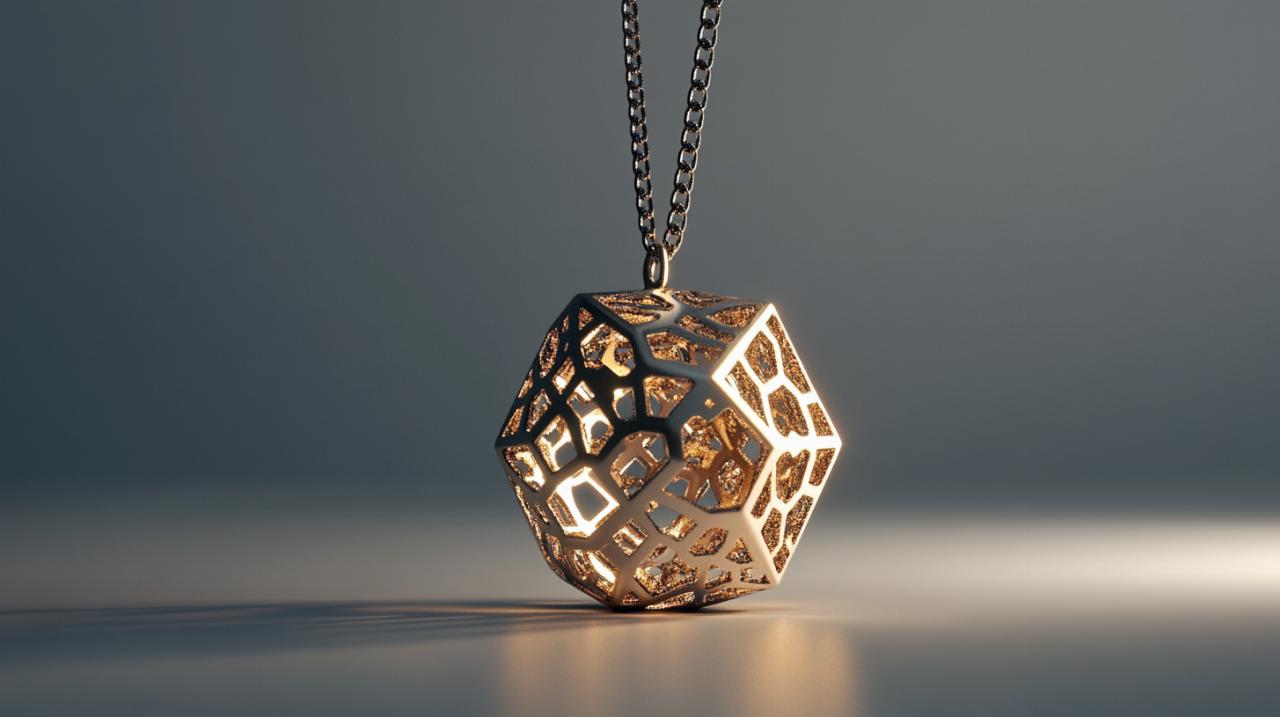
Different geometric configurations carry distinct visual weights and emotional resonances, making certain shapes more suitable for particular contexts than others. Angular forms such as triangles and hexagons project confidence and modernity, pairing well with structured garments and professional settings where a touch of sophistication is desired. Circular and curved geometries, on the other hand, evoke fluidity and approachability, complementing softer fabrics and casual occasions with their gentle, organic movement. For formal events, pendants featuring diamond cuts such as baguette, emerald, and triangle cuts offer refined elegance, their facets capturing candlelight with understated brilliance. Art Deco styles continue to influence twenty-first-century designers, providing a wealth of inspiration for those seeking pieces that bridge classic and contemporary aesthetics. When selecting a pendant, consider how its scale relates to the necklines you favour; larger geometric pieces make striking focal points with simple, unadorned tops, while delicate, intricately detailed designs can add interest to busier patterns without competing for attention. The interplay of contrasting colours and materials, such as the unexpected combination of rock crystal, lacquer, and cultured pearls, can also guide choices, allowing you to coordinate with or deliberately contrast against your wardrobe palette to create visual interest.
Quality Craftsmanship: What to Look for in Moving Pendants
The longevity and performance of kinetic jewellery depend heavily on the quality of materials and construction techniques employed in its creation. When evaluating a moving pendant, examine the smoothness of motion in any pivoting or swinging elements; well-crafted pieces should move effortlessly without catching or requiring excessive force. Joints and hinges should be discreet yet sturdy, showing no signs of weakness or excessive wear even after repeated use. The choice of metals plays a crucial role in both durability and aesthetic appeal, with options such as eighteen-karat gold providing a luxurious foundation that resists tarnishing while offering sufficient strength for structural components. Gemstone settings demand particular attention in kinetic pieces, as movement can gradually loosen stones if they are not properly secured. Look for secure prongs or bezel settings that hold gems firmly without compromising the piece's ability to move freely. Prestigious houses such as Cartier have demonstrated mastery in creating seamless geometric motifs, their work inspired by influences ranging from Islamic art to the bold aesthetics of Bulgari's Serpenti collection, which dates back to the nineteen forties and continues to embody Art Deco principles. Seeking pieces from established designers or those with proven track records in kinetic jewellery ensures that craftsmanship meets the high standards necessary for both immediate beauty and long-term satisfaction.
Caring for your kinetic geometric pendant collection
Owning jewellery with moving components brings unique responsibilities alongside its rewards, as these pieces require thoughtful maintenance to preserve their functionality and appearance over years of wear. Unlike static designs, kinetic pendants contain mechanisms that can accumulate debris, experience wear from repeated motion, or become misaligned if handled roughly. Establishing a routine of careful cleaning, appropriate storage, and periodic professional inspection can significantly extend the life of these treasured items, ensuring they continue to delight with their movement and brilliance for generations to come.
Maintenance tips to keep moving elements functioning smoothly
Regular cleaning forms the foundation of proper kinetic jewellery care, as dust and oils can infiltrate moving parts and gradually impede their motion. A soft, lint-free cloth used after each wearing removes surface residue before it can accumulate, while periodic gentle washing in lukewarm water with mild soap addresses deeper cleaning needs. Avoid harsh chemicals or ultrasonic cleaners unless specifically recommended by the manufacturer, as these can damage delicate mechanisms or loosen settings. When cleaning, pay particular attention to joints and hinges, using a soft brush to dislodge any particles without applying excessive pressure. After washing, ensure the piece is thoroughly dried, as moisture trapped in moving parts can lead to corrosion or tarnishing over time. For pieces featuring gemstones such as moonstones, pearls, or sapphires, take care to use cleaning methods appropriate to each material, as some stones are more porous or sensitive than others. Professional servicing every few years allows a skilled jeweller to inspect internal mechanisms, tighten any loosened components, and address wear before it becomes problematic. This proactive approach mirrors the attention given to high-value pieces featured in prestigious events such as the Important Jewels auction held on the third of February twenty twenty-three in Hong Kong, where items including an emerald and diamond bangle estimated between one hundred twenty thousand and one hundred eighty thousand Hong Kong dollars demonstrated the enduring value of well-maintained pieces.
Proper storage solutions for delicate geometric jewellery
How kinetic pendants are stored when not being worn significantly impacts their condition, as improper storage can lead to tangling, scratching, or mechanical damage from contact with other items. Individual soft pouches or compartments within a jewellery box provide ideal protection, preventing pieces from rubbing against one another and ensuring moving elements remain unobstructed. For pendants with particularly delicate mechanisms or extended projections, consider storage boxes with elevated supports that allow the piece to rest without any parts bearing weight or pressure. Climate control matters as well; excessive humidity can accelerate tarnishing of metals and damage certain gemstones, while overly dry conditions may cause materials such as pearls to crack or lose lustre. A stable environment away from direct sunlight preserves the vibrancy of any coloured elements and prevents deterioration of materials such as lacquer, which featured prominently in Art Deco designs and continues to appear in contemporary works inspired by that era's boldness. When travelling with kinetic jewellery, use hard-sided cases with secure closures to protect against impact and compression, wrapping each piece individually to prevent entanglement. Collections featuring diverse designs, such as Venyx pendants created by Eugenie Niarchos with their Intarsia stone combinations and inspiration drawn from the ancient Egyptian concept of the four elements, benefit particularly from organized storage that acknowledges each piece's unique characteristics and vulnerabilities. By treating these remarkable creations with the respect their craftsmanship deserves, collectors ensure that the mesmerising interplay of geometry and motion continues to enchant for many years ahead.