
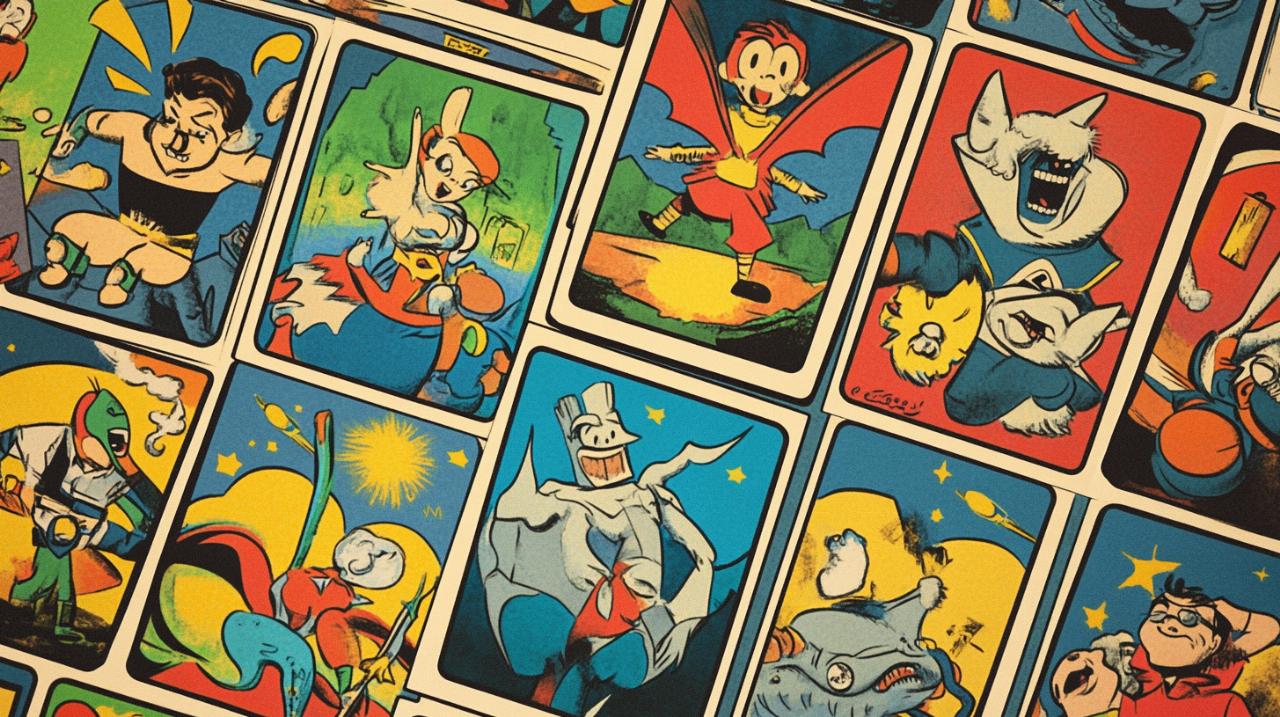
In the peculiar tapestry of 1980s childhood culture, few creations sparked as much simultaneous disgust and delight as Topps' Garbage Pail Kids. These trading cards, which emerged as a cheeky parody of the wholesome Cabbage Patch Kids dolls, transformed the world of collectables by celebrating everything parents found repulsive. What began as a satirical jab at saccharine sweetness evolved into a phenomenon that taught an entire generation that embracing the grotesque could be not only acceptable but utterly brilliant. The cards depicted children afflicted with extraordinary abnormalities, suffering comedic mishaps, or meeting humorous yet grim fates, all accompanied by punning names that made schoolchildren snigger behind their textbooks. From playground swaps to parental confiscation raids, these pieces of illustrated mischief became emblematic of youthful rebellion against the sanitized expectations of the era.
The Birth of Disgust: How Topps Created the Most Revolting Trading Cards in History
From Cabbage Patch Parody to Cultural Phenomenon: Why Topps Bet on the Grotesque
When Topps decided to lampoon the wildly popular Cabbage Patch Kids in the mid-1980s, the company was taking a calculated risk that conventional wisdom would have dismissed as commercial suicide. The concept, brought to life by Art Spiegelman, flipped the script on what children's collectables could represent. Rather than cherubic faces and adoptable innocence, Topps offered up sticker cards showcasing youngsters in states of delightful repugnance. The first series launched in June 1985, and the response was nothing short of explosive. Children across the United Kingdom and beyond were captivated by the audacity of cards that parents deemed utterly disgusting, which only amplified their appeal. By 1987, Topps had released eight series, spawning an array of merchandise including toys and even a film, cementing the brand's status as a cultural force. The brilliance lay not in spite of the revolting imagery but because of it, tapping into a universal truth about childhood: kids adore what adults find appalling.
Adam Bomb and His Mates: The Original Disgusting Characters That Defined a Generation
Among the rogues' gallery of grotesque characters, Adam Bomb emerged as the undisputed icon of the Garbage Pail Kids universe. With his explosive head and mushroom cloud of chaos, Adam Bomb epitomized the anarchic spirit that made these cards so irresistible. His image became synonymous with the brand itself, a visual shorthand for the subversive humour that Topps had unleashed. Alongside him were characters like Alphonse, Vanessa, and countless others, each rendered with meticulous detail that celebrated deformity, mishap, and the taboo. These were not merely cards but invitations to a world where the gross was glorified, where abnormalities were worn as badges of honour. The names were as clever as they were crude, playing on words in ways that delighted young minds eager to test the boundaries of acceptable humour. Topps had crafted a cast of characters that spoke directly to the irreverent sensibilities of childhood, offering kids a chance to embrace the disgusting with unabashed glee.
Collecting garbage: why kids couldn't resist these revolting cards
The Psychology Behind the Gross-Out: What Made Alphonse and Vanessa So Appealing to Children
The allure of Garbage Pail Kids trading cards extended far beyond their shock value, tapping into deeper psychological currents that govern childhood fascination. Young minds are naturally drawn to the forbidden and the transgressive, and these cards offered a sanctioned outlet for exploring themes that polite society typically suppressed. Characters like Alphonse and Vanessa became objects of fascination not merely because they were disgusting but because they represented a safe rebellion against the orderly, sanitized world adults constructed. The humour was often dark, the imagery unsettling, yet therein lay the magic. Children could revel in the grotesque without real consequence, testing their own boundaries of taste and tolerance. This was education through revulsion, a masterclass in understanding that not everything valuable in life needed to be pretty or pleasant. The cards also provided a shared language among peers, a cultural currency that signified membership in a club that valued wit, irony, and a healthy disregard for propriety.
Trading, Hoarding, and Hiding from Parents: The Underground Economy of Disgusting Collectables
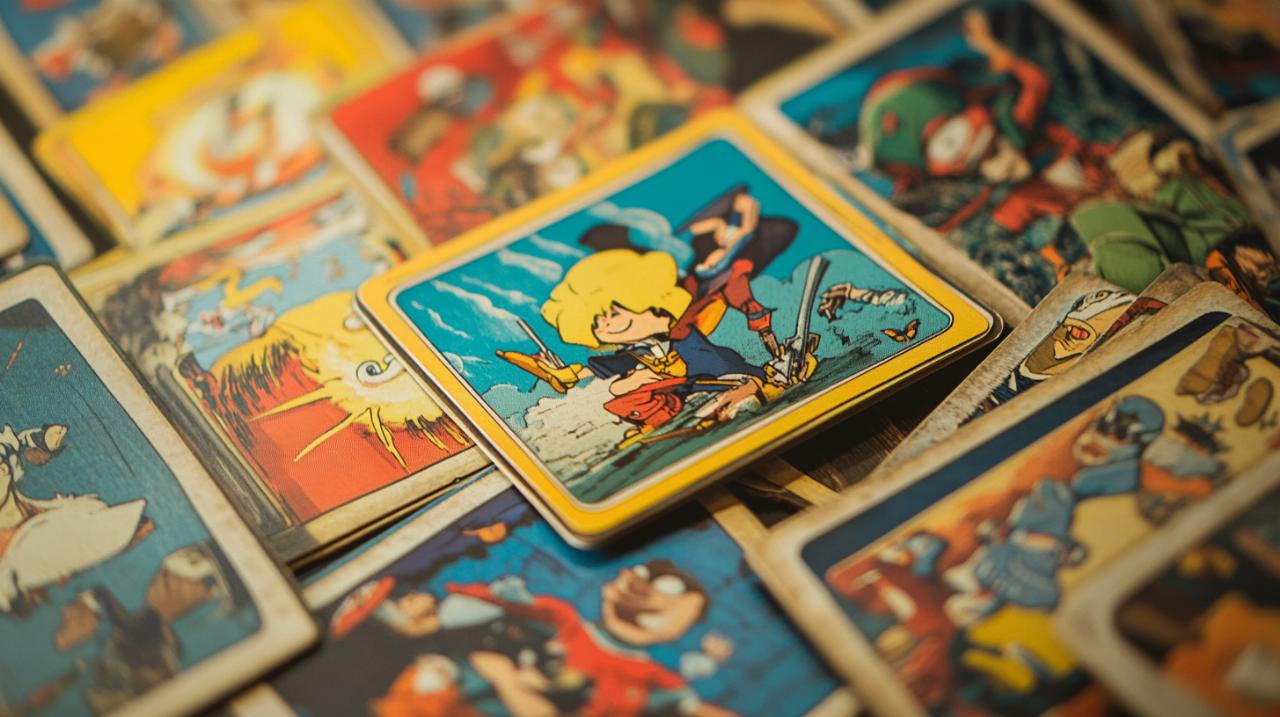
The Garbage Pail Kids phenomenon gave rise to an entire subculture of trading, hoarding, and clandestine transactions that rivalled any adult market. Schoolyards became bustling exchanges where the rarest cards commanded respect and bargaining power. A pristine Adam Bomb card could be worth a dozen lesser-known characters, and children quickly learned the principles of supply, demand, and negotiation. Parents often attempted to curtail the craze, viewing the cards as distasteful and inappropriate, which only served to drive the trade underground. Kids became adept at hiding their collections in secret compartments, under mattresses, or within innocuous-looking binders that could be hastily concealed upon parental approach. Schools joined the crusade, banning the cards outright, yet this too backfired spectacularly. The bans transformed Garbage Pail Kids into contraband, elevating their status from mere collectables to symbols of defiance. Even international bodies got involved, with Mexico banning their import and export in 1988, a testament to the cards' power to provoke and disrupt. The underground economy thrived precisely because the cards were deemed disgusting, proving that what adults reject, children will treasure all the more fiercely.
Beyond the Bin: The Lasting Legacy of Garbage Pail Kids in Popular Culture
From Playground Contraband to Nostalgic Treasure: How These Cards Shaped Attitudes Towards the Taboo
As the children who swapped Garbage Pail Kids in the 1980s grew into adults, the cards underwent a remarkable transformation from reviled refuse to cherished artefacts of nostalgia. What was once considered disgusting by parents became a touchstone of generational identity, a reminder of a time when rebellion could be contained within a small rectangular sticker. The cards taught an entire cohort that taboo subjects could be approached with humour and creativity, that the gross and the grotesque had a place in the cultural conversation. This lesson has reverberated through subsequent decades, influencing everything from alternative comedy to contemporary art. The original legal battle with Original Appalachian Artworks in 1986 over trademark infringement underscored the cards' cultural impact, forcing Topps to make design changes yet failing to diminish their appeal. Even as sales declined and the series paused after series 15, the seeds of a lasting legacy had been planted. By August 2003, the series returned with new sets and revivals, proving that the appetite for the revolting was far from sated. As of July 2024, CGC Cards had graded thousands of Garbage Pail Kids cards, with Series 2 English alone accounting for hundreds of certified examples, a testament to their enduring collectability.
Modern resurrections and why today's kids still find topps' disgusting creation absolutely brilliant
Topps is marking the 40th anniversary of Garbage Pail Kids in 2025 with a special edition that pays homage to the brand's storied history while introducing fresh iterations for a new generation. The 2025 Worst of Garbage Pail Kids set features a 100-card base set emblazoned with a 40th Anniversary logo, a fitting tribute to four decades of delightful disgust. Among the most anticipated elements are the Homage to Gar-bahj inserts, which see 40 artists reimagining the iconic Adam Bomb character, each bringing their unique vision to the explosive figurehead. There is also a Wacky Packages crossover, blending the irreverent spirit of two classic Topps brands into a single, gloriously anarchic offering. The Global Takeover inserts repurpose beloved characters into different languages, expanding the reach of the garbage aesthetic worldwide. For collectors seeking something truly exclusive, Artist Autograph sets feature signatures from 100 artists, while signed versions of the Adam Bomb redesigns offer a chance to own a piece of authenticated history. One such card, a Garbahj GARB-7 GOLD limited to just 18 of 50, recently appeared for sale via a private seller with impeccable feedback, listed as near mint or better. Priced at just over sixty pounds with postage to the United Kingdom, it represents both a financial investment and a cultural artefact, a bridge between the disgusting origins of the 1980s and the nostalgic reverence of today. The release date of July 30, 2025, is eagerly anticipated by collectors who understand that what was once dismissed as rubbish has proven, unequivocally, to be absolutely brilliant.