
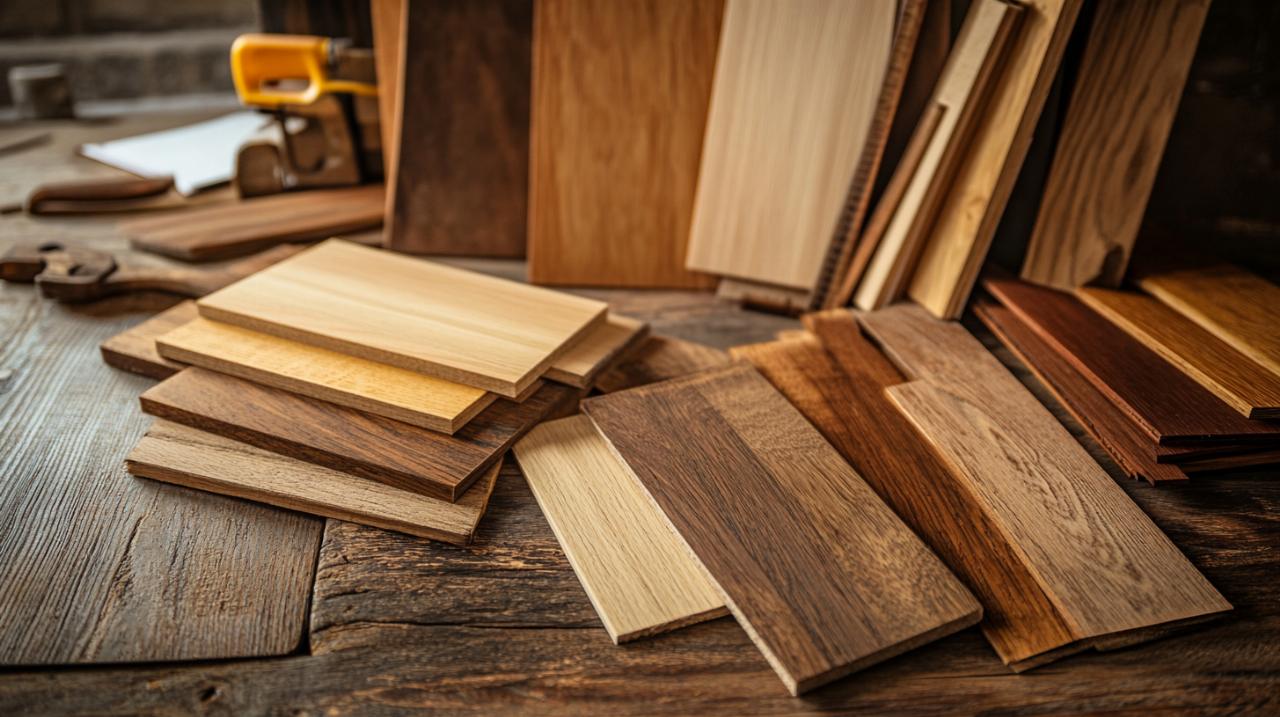
Embarking on a home renovation requires careful consideration of the materials you select, particularly when it comes to timber. Each species brings its own unique qualities to a project, from the visual warmth of natural grain to the structural integrity needed for long-lasting results. Understanding the nuances of different wood types and their characteristics ensures that your choices not only meet practical demands but also enhance the overall aesthetic and value of your home. Whether you are fitting new skirting boards, installing bespoke cabinetry, or laying a fresh floor, the right timber can make all the difference.
Essential timber varieties for residential refurbishment
When undertaking any form of residential refurbishment, one of the first decisions to make is whether to use hardwood or softwood. This fundamental distinction influences everything from cost and availability to the eventual appearance and performance of the finished work. Hardwoods originate from deciduous trees that shed their leaves seasonally, such as oak, cherry, and maple. These species are generally denser and more durable, making them ideal for applications where longevity and resilience are paramount. Softwoods, on the other hand, come from coniferous trees like pine, cedar, and Douglas fir. Despite the name suggesting a lack of strength, many softwoods offer excellent structural properties and are widely used in construction and joinery.
Hardwoods versus softwoods: what you need to know
The primary difference between hardwoods and softwoods lies in their cellular structure and growth patterns. Hardwoods tend to have a more complex grain and higher density, which translates to greater resistance to wear and impact. This makes them particularly suitable for flooring, staircases, and high-quality furniture. Oak, for instance, is renowned for its strength and attractive grain pattern, offering a warm and timeless appearance that suits both traditional and contemporary interiors. Walnut, with its rich dark tones, provides an elegant finish for cabinetry and bespoke joinery. Cherry wood is prized for its fine grain and reddish hues, which deepen beautifully over time, adding character to any space.
Softwoods, while often lighter in weight and less dense, should not be underestimated. Pine is one of the most commonly used timbers in the United Kingdom, appreciated for its affordability and ease of working. It is ideal for panelling, mouldings, and general carpentry where the budget is a consideration. Cedar offers natural resistance to moisture and insects, making it a popular choice for exterior cladding, garden structures, and decking. Douglas fir combines strength with a relatively lightweight profile, frequently employed in structural framing and roofing. The choice between hardwood and softwood ultimately depends on the specific requirements of your project, including the level of foot traffic, exposure to elements, and desired aesthetic.
Selecting the Right Timber for Your Specific Project
Matching the timber to the intended application is crucial for achieving both functional and visual success. For instance, if you are installing new flooring in a hallway or living area, a hardwood such as oak or maple will withstand daily wear far better than a softer species. Oak is particularly favoured in British homes for its durability and classic appeal, available in both European and American varieties, each with subtle differences in grain and colour. Maple, with its light tone and uniform texture, offers a clean and modern look, though it can be more challenging to stain evenly.
For exterior joinery, weather resistance becomes a priority. Cedar and redwood are excellent choices for cladding, fencing, and garden furniture due to their natural oils that repel moisture and resist decay. Teak, although more expensive, is exceptionally durable and withstands harsh conditions, making it ideal for outdoor seating and decking in coastal areas. When considering interior millwork such as skirting boards, architraves, and door casings, pine and poplar are cost-effective options that can be easily painted or stained to match your decor. For more decorative elements like crown mouldings and bespoke cabinetry, cherry, walnut, or mahogany provide a luxurious finish that elevates the overall quality of the interior.
It is also worth considering engineered wood products, which are manufactured from waste timber and offer consistency and stability. Plywood and medium-density fibreboard are widely used in construction and fit-out projects, providing reliable performance at a lower cost than solid timber. These materials are particularly useful for substrates, built-in units, and areas where dimensional stability is important. Sustainability is another factor to bear in mind when selecting timber. Opting for FSC-certified wood ensures that your materials come from responsibly managed forests, supporting environmental conservation while maintaining high standards of quality.
Key Properties and Performance Characteristics of Common Woods
Beyond the basic classification of hardwoods and softwoods, each species exhibits distinct properties that affect its suitability for various applications. Understanding these characteristics helps you make informed decisions that balance aesthetics, performance, and budget. Key factors include durability, strength, resistance to moisture, and the visual qualities such as grain pattern and colour.
Durability, strength, and moisture resistance considerations
Durability refers to how well a timber resists decay, insect damage, and general wear over time. Oak and teak are among the most durable hardwoods, with natural oils and tannins that protect against rot and pests. These species are ideal for high-traffic areas and outdoor applications where longevity is essential. Ash is another strong hardwood, known for its flexibility and shock resistance, making it suitable for tool handles and sports equipment as well as flooring and furniture.
Moisture resistance is critical for any timber used in damp environments or exposed to the elements. Cedar excels in this regard, naturally repelling water and resisting fungal growth. This makes it a favourite for exterior siding, shingles, and garden structures. Redwood shares similar properties, offering excellent resistance to weathering and a beautiful reddish-brown colour that weathers gracefully over time. Teak is renowned for its ability to withstand moisture, which is why it is so commonly used in marine applications and outdoor furniture.
Strength and elasticity are important for structural and load-bearing applications. Douglas fir is a softwood that punches above its weight, providing impressive strength-to-weight ratios for framing and beams. Pine, while softer, is still widely used in construction due to its availability and ease of working. Bamboo, although technically a grass, is increasingly popular as a sustainable alternative to traditional timber. It is exceptionally strong and resistant to moisture, making it suitable for flooring and furniture, though it can be prone to scratching.
Some timbers are more prone to warping and shrinkage with changes in humidity. Beech, for example, is hard and wear-resistant but can split if not properly seasoned and stabilised. Birch is strong and affordable, yet it has a tendency to warp and can be difficult to finish smoothly. Understanding these tendencies helps in planning proper acclimatisation and finishing processes to ensure the timber performs as expected over its lifespan.
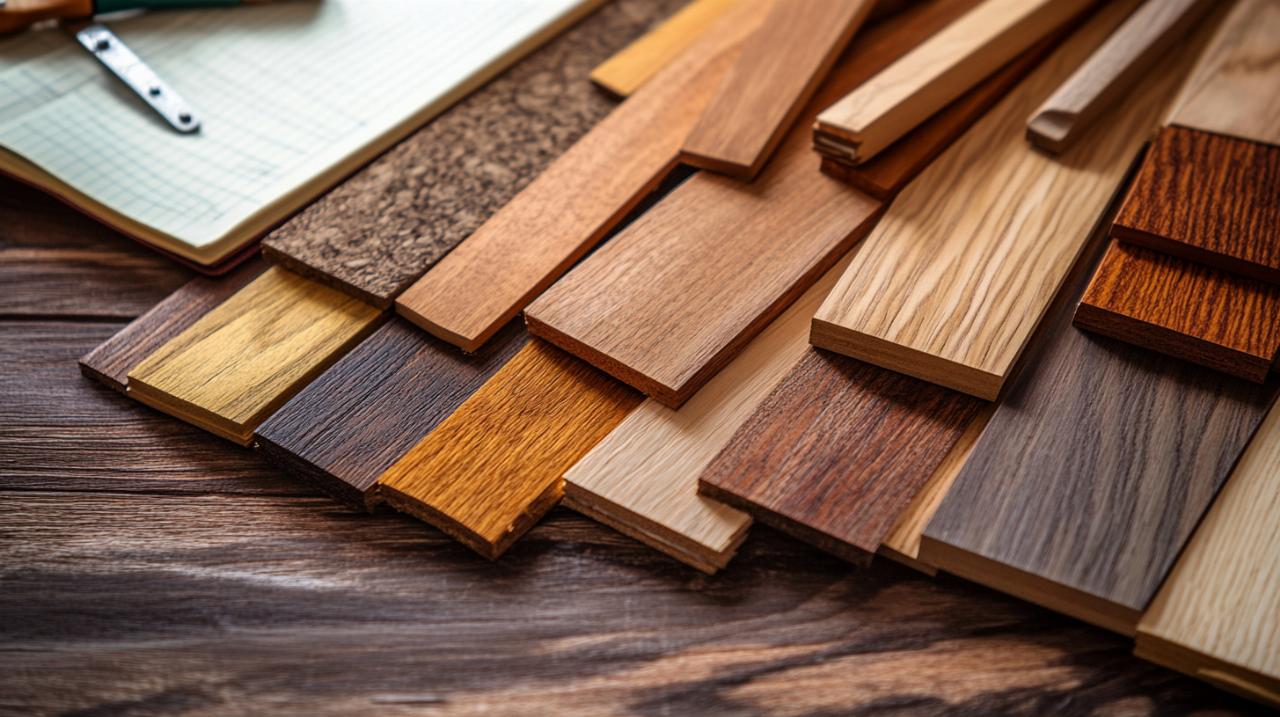
Aesthetic qualities: grain patterns, colour, and finish options
The visual appeal of timber is often the deciding factor in design choices, and each species offers unique aesthetic qualities. Oak is celebrated for its prominent grain and warm, honeyed tones that suit both rustic and refined interiors. The grain can be either straight or highly figured, depending on how the timber is cut, offering versatility in design. Walnut presents a rich, dark chocolate colour with an elegant, flowing grain that adds sophistication to any room. It is particularly popular for cabinetry and high-end joinery.
Cherry wood starts with a lighter pinkish hue and darkens to a deep reddish-brown with age and exposure to light. This natural transformation adds depth and character, making it a favourite for fine furniture and bespoke fittings. Mahogany is prized for its deep red tones and fine, straight grain, offering a luxurious appearance that has been favoured in traditional British craftsmanship for centuries. It is often used in boat building and high-quality furniture due to its workability and stability.
Maple provides a clean, light aesthetic with a subtle grain that works well in modern and minimalist designs. Its uniform texture takes stains unevenly, so it is often finished with clear lacquers or light stains to showcase the natural colour. Pine, with its distinctive knots and grain, offers a more rustic charm. It can be finished in a variety of ways, from natural oils that highlight the grain to painted finishes that provide a smooth, contemporary look.
Cedar has a distinctive aroma and a light, reddish hue that weathers to a silvery grey when left untreated outdoors. This natural ageing process is often embraced in exterior applications for its weathered, timeless appearance. Redwood shares a similar quality, with its rich colour and fine grain providing a striking visual impact in cladding and decking. Bamboo offers a light, uniform appearance with a subtle grain, lending itself well to contemporary interiors and eco-conscious designs.
Finishing options further enhance the natural beauty of timber. Oils and waxes penetrate the wood, bringing out the grain and providing a natural, low-sheen finish that is easy to maintain. Lacquers and varnishes offer a more durable, glossy surface that protects against moisture and wear. Paints can completely transform the appearance of timber, allowing for bold colours and a smooth, modern finish. The choice of finish depends on the desired look, the location of the timber, and the level of protection required.
In conclusion, selecting the appropriate timber for your home renovation involves a careful balance of practical and aesthetic considerations. By understanding the differences between hardwoods and softwoods, recognising the key properties such as durability and moisture resistance, and appreciating the visual qualities of each species, you can make informed choices that enhance both the functionality and beauty of your home. Whether you are working with a local supplier or sourcing sustainable timber, taking the time to understand wood types and their characteristics will ensure your project stands the test of time.